
New Zealand Weather Guide + What to Pack
Visiting New Zealand is a dream for many travellers, but understanding the weather and knowing what to pack is crucial for a smooth trip. New Zealand’s weather is famously variable, even within a single day. From the subtropical North Island to the alpine South Island, travellers need to prepare for a range of temperatures, rainfall, and wind conditions. This guide will help you plan your wardrobe, choose the right gear, and enjoy New Zealand without weather surprises.
Overview of New Zealand’s Climate
New Zealand has a temperate maritime climate, meaning mild temperatures and frequent rain throughout the year. However, the North Island is generally warmer and more humid, while the South Island can be significantly colder, especially in alpine regions. Weather patterns vary dramatically depending on location, altitude, and season:
-
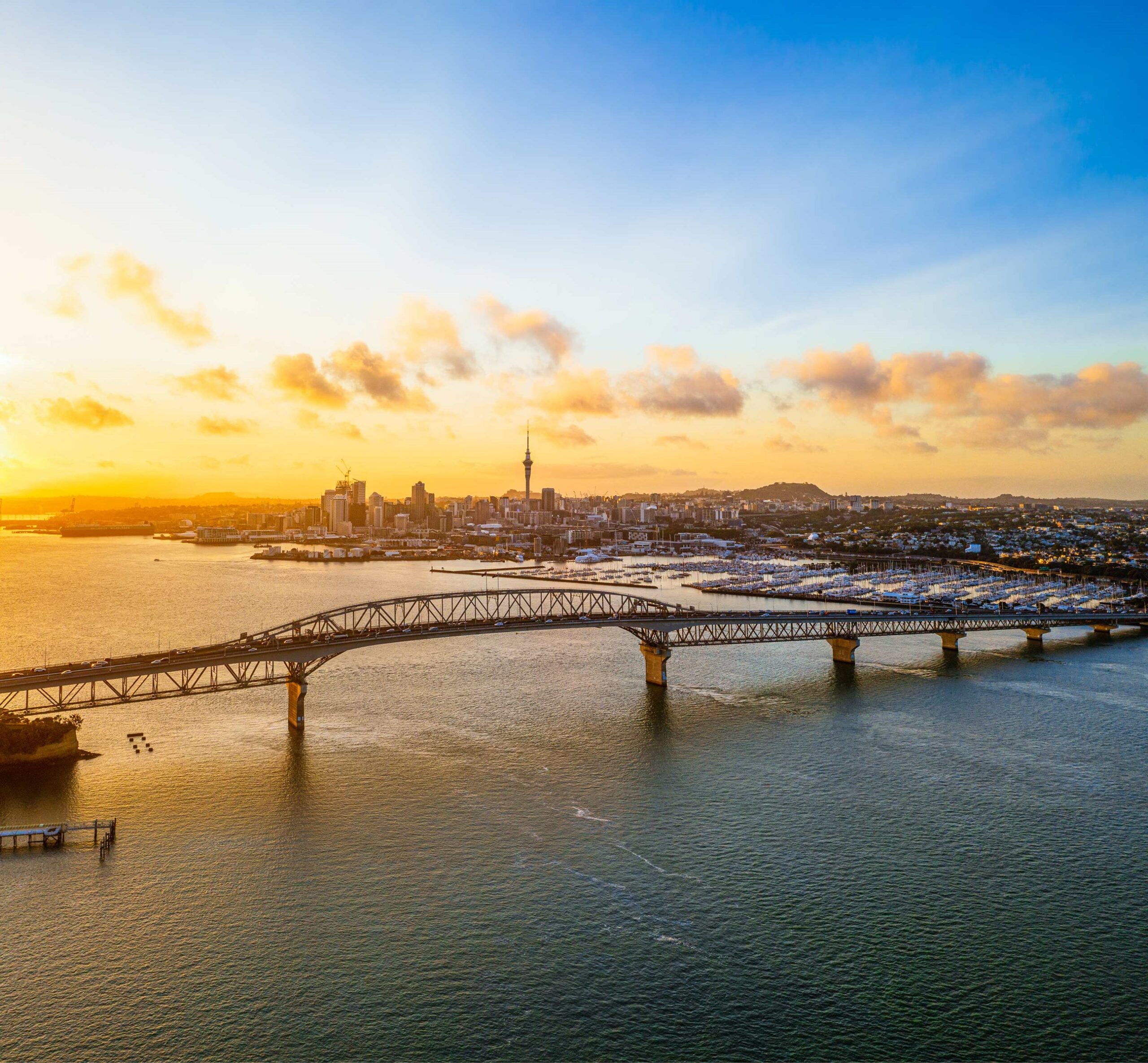
North Island: Subtropical in the north (Bay of Islands, Auckland), mild and rainy in central regions (Wellington, Rotorua).
-
South Island: Cooler, with snowy winters in alpine areas (Queenstown, Wanaka, Franz Josef). Coastal regions can be milder but windier.
-
Alpine Areas: The Southern Alps experience rapid weather changes; hikers and skiers must be prepared for snow even in summer.
New Zealand’s weather can change hour by hour, so layering and flexible clothing are key.
Seasonal Weather Breakdown
Summer (December – February)
-
North Island: 20–30°C, ideal for beaches, hiking, and outdoor activities.
-
South Island: 17–25°C, perfect for scenic drives, adventure sports, and fjord cruises.
-
Notes: Summer is peak tourist season, so book accommodation and activities early. Sunscreen, hats, and sunglasses are essential.
Autumn (March – May)
-
North Island: 15–25°C, fewer crowds, vibrant autumn foliage in Rotorua and Taupō.
-
South Island: 10–20°C, mild and stable weather for hiking and road trips.
-
Notes: Layering is important as mornings and evenings can be cool.
Winter (June – August)
-
North Island: 8–15°C, rainier in Wellington and Auckland.
-
South Island: 0–10°C in alpine areas, ideal for skiing and snowboarding in Queenstown, Wanaka, and Mt. Hutt.
-
Notes: Pack warm clothing, including insulated jackets and thermals. Roads in alpine areas may require chains.
Spring (September – November)
-
North Island: 12–22°C, flowers bloom, rivers rise, good for hiking.
-
South Island: 5–18°C, snow may still linger in mountains, wildflowers in valleys.
-
Notes: Expect mixed weather; layering is recommended.
Regional Differences
Northland & Auckland: Warmer, subtropical; summer highs 25–30°C, occasional summer storms.
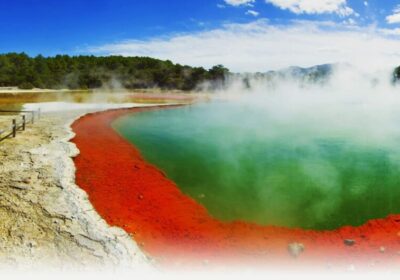
Rotorua & Taupō: Geothermal areas, humid; light rain showers possible year-round.
Wellington: Windy capital, unpredictable; pack windproof layers.
Christchurch: Sunny but cooler; spring and autumn bring changeable weather.
Queenstown & Wanaka: Alpine, can be cold even in summer; snow likely in winter.
Fiordland & Milford Sound: Extremely wet region; rainproof gear essential.
Packing Tips: Clothing & Accessories
-
Layering is essential: Base layers, mid-layers (fleece/sweaters), outer waterproof jackets.
-
Comfortable walking shoes: Waterproof for rainy days, sturdy for hikes.
-
Season-specific clothing:
-
Summer: Shorts, t-shirts, swimwear, sun protection.
-
Winter: Insulated jackets, thermals, gloves, hats, warm socks.
-
-
Rain gear: Compact rain jackets, ponchos, waterproof bags for electronics.
-
Sun protection: Sunglasses, broad-brimmed hat, SPF 50+ sunscreen.
-
Adventure gear: Hiking poles, backpack, water bottle; optional swimwear for hot springs.
Packing Tips: Essentials for Every Season
-
Travel adapter (NZ uses type I plug, 230V)
-
Reusable water bottle
-
Lightweight daypack for hikes
-
Toiletries and personal medication
-
Travel insurance documentation
-
Copies of passport, visa, and itinerary
-
Camera and/or phone with extra storage
Tips for Specific Activities
-
Hiking / Tramping: Include layers, waterproofs, sturdy boots, insect repellent.
-
Skiing / Snowboarding: Thermal base layers, ski jackets/pants, gloves, goggles.
-
Beaches / Hot Springs: Swimwear, quick-dry towel, sandals, sunscreen.
-
City Sightseeing: Comfortable walking shoes, light jacket, umbrella.
Additional Considerations
-
Pack for flexibility: NZ weather is unpredictable; morning sun may give way to afternoon rain.
-
Check forecasts daily: MetService (www.metservice.com) provides reliable local forecasts.
-
Road trips: Keep blankets, water, snacks, and emergency kits in vehicles, especially for South Island drives.
-
Electronics & gadgets: Waterproof cases recommended for fjord cruises or adventure activities.
Sample Packing Lists by Season
Summer: Shorts, t-shirts, swimwear, lightweight jacket, sneakers, sandals, sunglasses, hat, sunscreen.
Winter: Thermal layers, insulated jacket, gloves, scarf, beanie, waterproof boots, raincoat, warm socks.
Spring / Autumn: Layered clothing, light jacket, jeans/trousers, waterproof footwear, umbrella.
Conclusion
Understanding New Zealand’s weather and packing appropriately ensures a comfortable, safe, and enjoyable trip. Layered clothing, waterproof gear, sun protection, and activity-specific essentials will allow travellers to enjoy everything from beaches to alpine hikes. Checking daily weather forecasts and planning your wardrobe in advance will help you avoid surprises and fully experience Aotearoa.