Ultimate New Zealand Travel Guide (Everything You Need to Know Before You Visit)
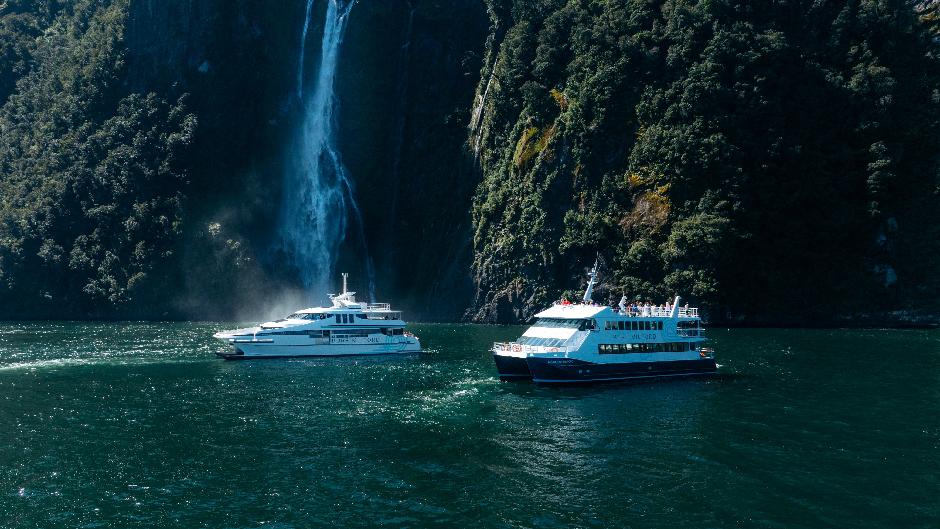
A complete 2025 guide for first-time travellers to New Zealand
New Zealand is one of the world’s most breathtaking destinations, known for its dramatic landscapes, geothermal wonders, peaceful beaches, glaciers, vibrant cities, and rich Māori culture. This guide covers everything travellers want to know before visiting, including visas, costs, weather, transport, safety, must-visit places, and essential planning tips.
Visa and Entry Requirements
Visitors from visa-waiver countries don’t need a full visa, but they must apply for an NZeTA before travelling. Travellers from non-waiver countries must apply for a visitor visa in advance.
The NZeTA is valid for two years, and the IVL (International Visitor Levy) is charged at the same time. Both are required to enter New Zealand.
Best Time to Visit New Zealand
New Zealand has four distinct seasons, each offering a different experience.
Spring (Sept–Nov): Fewer crowds, mild weather, blooming scenery.
Summer (Dec–Feb): Peak travel season with the warmest weather.
Autumn (Mar–May): Calm weather, colourful landscapes, great hiking conditions.
Winter (Jun–Aug): Best time for skiing in Queenstown, Wanaka, and Mount Hutt.
Transport Options
The most popular way to explore New Zealand is by renting a car or campervan. Roads are safe but can be narrow and winding.
Domestic flights save time between major cities.
Scenic train journeys like the TranzAlpine and Northern Explorer offer unique views.
The Interislander ferry and Bluebridge ferry connect Wellington and Picton between the two islands.
Culture and Etiquette
New Zealand culture combines modern Kiwi values with Māori traditions.
Te Reo Māori is visible in greetings and signage.
“Kia ora” is the most common greeting.
Tipping is optional.
Kiwis value politeness, patience, and respect for the environment. Shoes may be removed when entering homes.
Costs, Money, and Budgeting
Local currency: New Zealand Dollar (NZD).
Cards are accepted almost everywhere.
Average daily spending varies:
Budget: $70–$120
Mid-range: $150–$250
Luxury: $350+
Popular attraction costs include Hobbiton, Waitomo, Milford Sound cruises, and Queenstown adventure activities. Fuel prices vary by region.
Accommodation Options
New Zealand offers hostels, hotels, motels, luxury lodges, B&Bs, and holiday parks.
Backpackers favour hostels and campsites.
Road-trippers often stay in motels and holiday parks.
Luxury travellers choose boutique hotels and lodges, especially in Queenstown and Rotorua.
DOC campsites are common in nature-focused regions.
Top Places to Visit
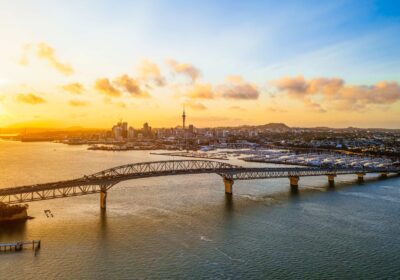
North Island highlights: Auckland, Hobbiton, Waitomo, Rotorua, Taupō, Tongariro, Wellington.
South Island highlights: Queenstown, Milford Sound, Aoraki/Mount Cook, Lake Tekapo, Wanaka, Christchurch, Kaikōura, West Coast glaciers.
Must-Do Experiences
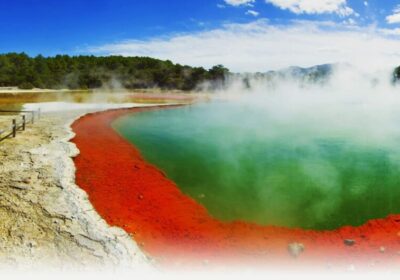
Key experiences include Hobbiton tours, Waitomo Glowworm Caves, geothermal parks in Rotorua, Milford Sound cruises, whale watching in Kaikōura, glacier walks, the Wellington–Picton ferry, and Queenstown adventure activities.
Driving in New Zealand
New Zealand drives on the left-hand side.
Roads can be narrow, steep, or winding, especially in rural and alpine areas.
Allow extra time for travel.
Seatbelts are required.
Mobile coverage can be limited outside towns.
Weather can change quickly—always check conditions.
Packing Guide
New Zealand’s weather changes frequently, so pack layers.
Bring a waterproof jacket, walking shoes, sunscreen, warm clothing, a portable charger, and seasonal gear.
Winter visitors should pack thermals, gloves, and waterproof outerwear.
SIM Cards and Internet
Main providers: Spark, One NZ, and 2degrees.
Tourist SIM cards are sold at airports and supermarkets.
Wi-Fi is common in cities but limited in remote areas.
Coverage is strong in most towns and tourist regions.
Safety Tips
New Zealand is very safe, with emergency services contactable via 111.
Check weather forecasts and follow warnings when hiking.
Carry water during long drives.
There are no dangerous animals or snakes.
Take precautions around water, cliffs, and alpine environments.
Useful Phrases
Common Te Reo Māori phrases include:
Kia ora – hello / thank you
Haere mai – welcome
Aotearoa – New Zealand
Whānau – family
7-Day North Island: Auckland → Hobbiton → Rotorua → Taupō → Wellington
7-Day South Island: Christchurch → Tekapo → Aoraki/Mount Cook → Wanaka → Queenstown → Milford Sound
14-Day NZ Highlights: Auckland → Rotorua → Taupō → Wellington → Picton → Kaikōura → Christchurch → Queenstown → Milford Sound
Final Tips
Book attractions early in summer.
Allow flexible time for unpredictable weather.
Use offline maps.
Wear sunscreen—the UV index is extremely high.
Try local foods like hāngī, green-lipped mussels, feijoas, and hokey pokey ice cream.