
New Zealand Wildlife & Nature Guide
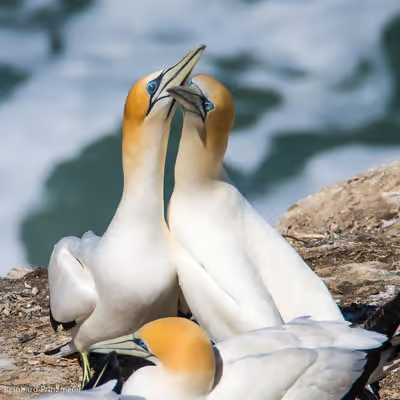
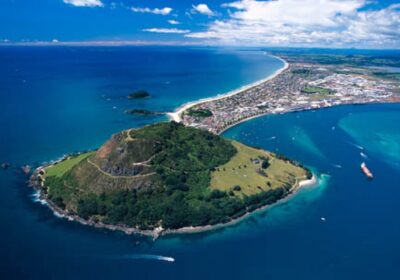
New Zealand is one of the most extraordinary places on Earth for wildlife and natural scenery. Isolated for millions of years, it has developed an ecosystem unlike anywhere else, with unique species of birds, marine life, reptiles, and plants found nowhere else in the world. From the towering beech forests to rugged alpine peaks, pristine lakes, and steaming geothermal regions, New Zealand’s natural world offers an unforgettable experience for nature lovers, photographers, and eco-tourists alike.
This guide explores the full spectrum of New Zealand wildlife and nature, covering iconic species, diverse habitats, conservation efforts, and tips for responsible eco-tourism.
1. Introduction to New Zealand’s Natural World
New Zealand’s wildlife is exceptional because of its long geographic isolation. The country split from the supercontinent Gondwana around 85 million years ago, giving its flora and fauna time to evolve independently. This isolation has created species that are endemic—found nowhere else—including the iconic kiwi bird, the unique tuatara reptile, and numerous rare insects and plants.
The country’s natural environments range from lush lowland forests and wetland areas to alpine zones and rugged coastlines. Each ecosystem hosts a variety of species adapted to specific conditions. In addition, New Zealand has one of the most comprehensive predator-free sanctuary networks in the world, helping endangered species thrive.
2. Birds of New Zealand
Birds are the crown jewel of New Zealand wildlife. Due to the absence of land mammals (except bats), birds evolved to occupy niches found elsewhere in mammals. Many species are flightless, making them uniquely vulnerable but fascinating.
2.1 Kiwi Birds
-
Perhaps the most famous of New Zealand’s birds.
-
Five species exist: North Island brown kiwi, great spotted kiwi, little spotted kiwi, rowi, and tokoeka.
-
Nocturnal and elusive, they are most active at night.
-
Conservation is critical: predator control and sanctuaries like Zealandia in Wellington protect these national treasures.
2.2 Kea
-
Alpine parrots known for intelligence and curiosity.
-
Found in the South Island mountains, they interact boldly with humans.
-
Famous for playful behavior, including dismantling car parts or stealing food.
2.3 Tūī and Bellbird (Korimako)
-
Songbirds with melodious calls, native to forests across both islands.
-
Recognizable by the tūī’s white throat tuft and iridescent feathers.
-
Pollinators for native plants like kowhai and flax.
2.4 Weka
-
Flightless, inquisitive, and bold.
-
Found in various forests and offshore islands.
-
Often mistaken for chickens, they play an essential role in seed dispersal.
2.5 Albatross & Seabirds
-
New Zealand is a global hotspot for seabird diversity.
-
Species include the royal albatross, northern royal albatross, petrels, shearwaters, and more.
-
Colonies can be seen in Dunedin’s Taiaroa Head and off the Otago coast.
2.6 Endangered and Rare Species
-
Kakapo, the world’s heaviest parrot, is critically endangered.
-
Kiwi and kokako populations are closely monitored.
-
Conservation programs include predator-free islands and intensive breeding efforts.
3. Marine Life
New Zealand’s waters are rich with marine biodiversity, ranging from subtropical species in the north to subantarctic creatures in the south.
3.1 Dolphins and Whales
-
Common dolphins, bottlenose dolphins, and orcas are frequent in coastal waters.
-
Kaikōura is world-famous for sperm whale encounters.
-
Whale watching opportunities include migratory species like humpbacks.
3.2 Seals and Sea Lions
-
New Zealand fur seals inhabit rocky coastlines.
-
New Zealand sea lions, critically endangered, breed in remote southern locations.
-
Both species are protected under national wildlife legislation.
3.3 Penguins
-
Little blue penguins are common on the southern coasts.
-
Yellow-eyed penguins, rare and endangered, can be spotted in Otago and Southland.
3.4 Coral and Marine Ecosystems
-
Poor Knights Islands marine reserve: subtropical fish, colorful corals, and unique underwater caves.
-
Fiordland’s deep fiords host black coral and diverse marine species.
4. Reptiles and Amphibians
New Zealand’s reptile fauna is ancient, with some species dating back to Gondwana.
4.1 Tuatara
-
A living fossil, not a lizard, representing a lineage over 200 million years old.
-
Found in predator-free islands and sanctuaries.
-
Nocturnal and slow-growing, they can live over 100 years.
4.2 Skinks and Geckos
-
Over 100 species of geckos and skinks inhabit forests, alpine areas, and wetlands.
-
Many are nocturnal and insectivorous.
4.3 Frogs
-
Only native frogs are Leiopelma species.
-
Critically endangered due to habitat loss and introduced predators.
5. Insects and Invertebrates
New Zealand’s invertebrate life is equally fascinating:
5.1 Weta
-
Giant flightless insects, some species weighing over 70 grams.
-
Include tree weta, cave weta, and tusked weta.
-
Endangered species are protected in sanctuaries.
5.2 Butterflies and Moths
-
Colorful endemic species like the Red Admiral butterfly.
-
Moths include giant endemic species like the puriri moth.
5.3 Freshwater Invertebrates
-
Native crayfish (koura), freshwater mussels, and unique insect larvae inhabit rivers and lakes.
6. Forests and Terrestrial Ecosystems
6.1 Lowland Forests
-
Dominated by podocarps, beech, and broadleaf trees.
-
Home to kiwi, kaka, tui, and numerous insects.
6.2 Alpine Zones
-
Characterized by tussock grasslands, scree, and native alpine plants.
-
Kea, rock wren, and unique alpine flora thrive here.
6.3 Wetlands and Rivers
-
Wetlands provide habitat for waterfowl, fernbirds, and rare insects.
-
National importance for conservation and water purification.
6.4 Coastal Ecosystems
-
Rocky shores, sandy beaches, and estuaries host seals, seabirds, and shellfish.
7. Geothermal and Unique Environments
New Zealand’s volcanic activity creates unique habitats:
7.1 Rotorua Geothermal Parks
-
Home to rare microbial mats and algae adapted to hot springs.
7.2 Thermal Wetlands
-
Unique thermophilic species thrive here.
8. Conservation and Eco-Tourism
8.1 Predator-Free Sanctuaries
-
Islands like Tiritiri Matangi and Kapiti protect endangered birds.
8.2 Wildlife Reserves
-
Zealandia, Orokonui, and other mainland sanctuaries offer close encounters.
8.3 Responsible Viewing
-
Keep distance, avoid feeding, and follow local guidelines.
9. Seasonal Behavior and Migration
-
Birds, marine mammals, and reptiles exhibit seasonal patterns.
-
Whale migrations, penguin nesting seasons, and kiwi breeding cycles are key viewing considerations.
10. Māori Connection to Wildlife
-
Wildlife and nature feature prominently in Māori mythology.
-
Many species are considered taonga (treasures) and are respected culturally.
11. Wildlife Watching Tips
-
Binoculars, quiet observation, guided tours, and photography ethics.
-
Avoid disturbing nests and habitats.
-
Visit during early morning or late afternoon for better sightings.
12. Conclusion
New Zealand’s wildlife and nature offer unparalleled diversity and beauty. From flightless birds and giant insects to marine mammals and unique flora, the country is a global hotspot for eco-tourists, photographers, and nature enthusiasts. Responsible travel ensures these species continue to thrive for generations to come.