
North Island vs South Island – Which Is Better for Your New Zealand Trip?
New Zealand is split into two main islands: the North Island and the South Island, each offering unique landscapes, experiences, and attractions. Travellers often wonder which island is better for their itinerary. This guide compares both islands across scenery, activities, culture, and logistics to help you plan the ultimate New Zealand adventure.
1. Landscapes and Natural Beauty
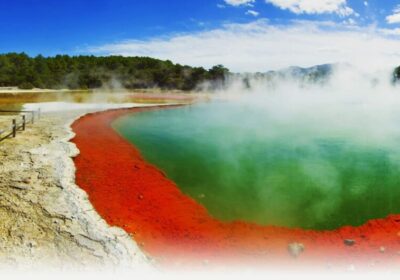
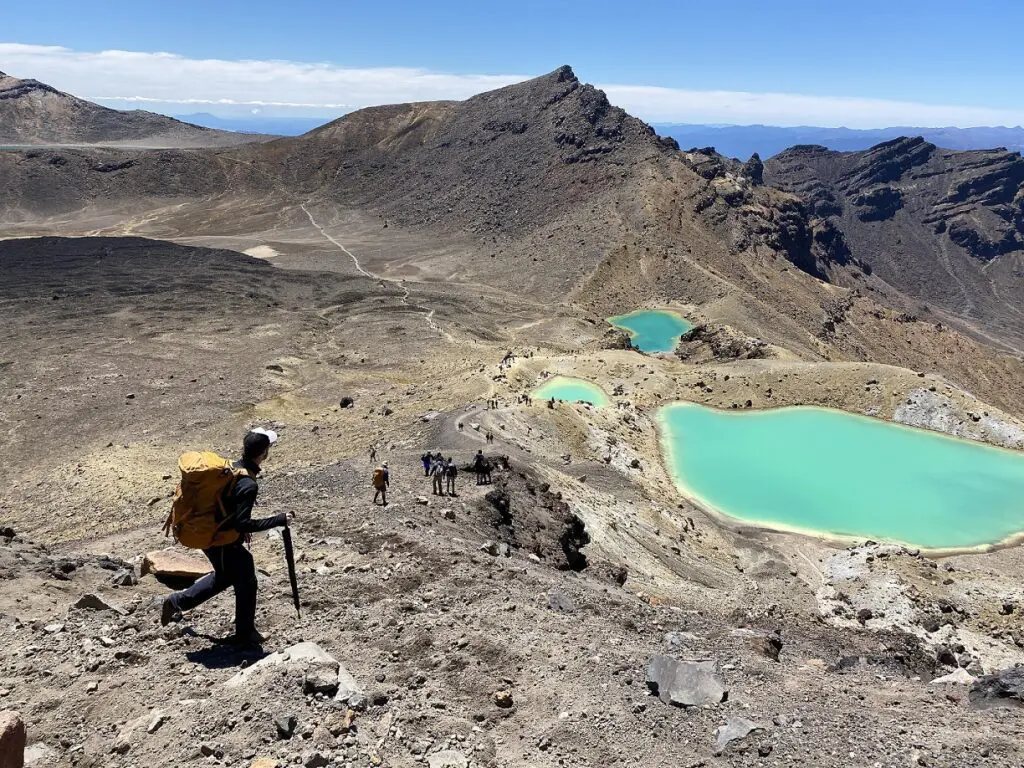
North Island: Rolling hills, volcanic plateaus, geothermal areas, and golden beaches dominate the landscape. Highlights include Rotorua’s geysers, Lake Taupō, and the Bay of Islands.
South Island: Dramatic mountains, fiords, glaciers, and alpine lakes define the scenery. Highlights include Fiordland National Park, Mount Cook, Queenstown, and the West Coast glaciers.
2. Adventure Opportunities
North Island: Offers rafting, surfing, and geothermal hiking. Great for adrenaline seekers who prefer mild terrain. Cultural adventure, like Māori experiences in Rotorua, adds a unique twist.
South Island: Known as New Zealand’s adventure capital. Queenstown provides bungee jumping, skydiving, jet boating, and heli-hiking on glaciers. Ideal for extreme adventure lovers.
3. Wildlife Experiences
North Island: Spot native birds, dolphins, and marine life in places like the Bay of Islands. Kiwi sanctuaries are accessible for daytime visits.
South Island: Rich in marine and alpine wildlife. Kaikōura offers whale watching, while Stewart Island gives a chance to see kiwis in the wild. Penguins and seals are abundant on the coasts.
4. Cultural Highlights
North Island: Māori culture is alive in Rotorua, Waitangi, and various marae (meeting grounds). City culture in Wellington combines arts, food, and museums.
South Island: European settler history, gold mining towns, and Maori heritage are less pronounced but visible in Christchurch, Dunedin, and Queenstown. The focus is more on natural and adventure experiences.
5. Ease of Travel
North Island: Shorter distances between major destinations make it easier for shorter trips. Well-connected airports and ferries simplify travel logistics.
South Island: Larger distances and more rugged terrain require longer drives or domestic flights. The scenery makes the extra effort worthwhile, especially for road trips.
6. Best Time to Visit
North Island: Generally milder climate, warm summers, and moderate winters. Ideal for year-round visits.
South Island: Cooler and snowier in winter; perfect for skiing. Summer offers alpine lakes, hiking, and stunning fiord views. Seasonal planning is crucial.
7. Ideal Duration
North Island: 5–7 days allows for a comprehensive tour of beaches, geothermal areas, and cultural sites.
South Island: 7–12 days recommended to explore mountains, glaciers, fiords, and adventure hubs. Road trips require extra time due to driving distances.
8. Conclusion: Which Island Should You Choose?
Your choice depends on your travel style:
-
Cultural and geothermal experiences: North Island
-
Adventure, alpine landscapes, and dramatic scenery: South Island
For a complete New Zealand experience, combining both islands is ideal. Most international visitors choose a North-to-South itinerary to experience the best of both worlds, often using ferries or domestic flights to save time.